


Ayurveda has long cautioned that heating honey turns this natural nectar toxic — a truth now echoed by modern science. When honey is warmed, it loses its Rasāyana (rejuvenating) qualities and produces harmful compounds like HMF. Discover why raw honey heals while heated honey harms, and how to use this golden medicine safely for health, digestion, and longevity.

The Kansa Comb is more than a beauty tool — it’s an Ayurvedic ritual of grounding and renewal. Made from a sacred copper alloy, it soothes the scalp, activates marma points, and calms the nervous system through gentle, rhythmic strokes. In a world of constant noise, this simple ritual reconnects hand to head, head to heart — a moment of stillness that nurtures both hair and mind.

In Ayurveda, cooling isn’t just about temperature - it’s about effect on the body’s internal systems (called 𝙫𝙞𝙧𝙮𝙖, or energetic potency). Ice-cold drinks can actually aggravate Pitta and disturb digestion, especially in hot weather. Sip warm mint tea, coconut water, aloe vera juice, amla juice, coriander phanta, and rose and lime infusion instead.

This vegan, gluten-free Handvo recipe made with samo (barnyard millet), sabudana (sago), and seasonal veggies is a perfect dish for fasting days. Packed with energy, light on digestion, and full of flavor, it balances vata and pitta while supporting agni (digestive fire). Ideal for fasting during occasions like Ekadashi or Sharad Purnima, this dish provides sustained energy and nourishment without compromising on health. Try this wholesome Ayurvedic recipe for a delicious, healthy, and sattvic meal during your fast.

This gluten-free potato, broccoli, and singora flour paratha is not only a healthy twist on a classic but also rich in Ayurvedic benefits. Potatoes offer grounding energy and potassium, while broccoli adds fibre, antioxidants, and immune-boosting vitamins. Singora flour (water chestnut), a naturally gluten-free option, is cooling and helps balance pitta while grounding vata dosha. Ideal for autumn, this nourishing paratha stabilises energy and digestion. Whether for lunch or dinner, pair it with chutney, dahl, or a sabzi for a wholesome, sattvic meal.

Matoke, a delicious plantain curry, holds a special place on our Navratri fasting menu, blending the flavours of Gujarati tradition with African influences from my family’s roots in Kenya and South Africa.
This wholesome, sattvic dish is perfect for fasting, offering light and grounding nourishment while honouring Navratri's purity.
Preparation: 2 min | Cooking: 35 min | Serves: 3
Ingredients include green plantains, tomatoes, crushed peanuts, and spices like cumin and ginger.

Navratri fasting is more than just a religious ritual; it’s an opportunity for physical and spiritual purification. However, many people make mistakes by focusing on food restrictions without understanding the balance of sattva, rajas, and tamas. Explore common errors in fasting, the Ayurvedic approach to mindful eating, and the importance of aligning fasting with your dosha. Learn what to eat, what to avoid, and how to fast in a way that promotes health, harmony, and spiritual growth during this sacred time.

For centuries, these resilient grains have thrived across cultures, bearing diverse names like bajra, ragi, kangni, korra, kutki, and kodra. In Ayurveda, the ancient Indian system of medicine, millets are revered for their harmonising energies and therapeutic qualities, offering a holistic alternative to our overall diet. But the truth is even though they are a gluten-free grain and a good source of dietary fibre, vitamins and minerals, they should be consumed in moderation and as part of a balanced diet and excessive consumption can create dosha imbalances.
In Ayurveda, the traditional Indian system of medicine, millets are celebrated for their balancing energies and healing properties. Not all millets are created equal in the eyes of Ayurveda. From pacifying Vata with the grounding qualities of kodo millet to cooling Pitta with the soothing essence of little millet, each grain offers a unique synergy of taste, texture, and nourishment so yet again it is a case of ‘one size does not fit all’.

Food plays a pivotal role in mental health, shaping our mood, cognition, and emotional well-being. From an Ayurvedic perspective, the connection between food and mental health extends beyond mere sustenance. Ayurveda views food not only as a source of physical nourishment but also as a means of nurturing the mind and spirit.

From an Ayurvedic standpoint, fermented foods play a crucial role in supporting digestive health and overall wellbeing. They are rich in probiotics, or beneficial living bacteria, which help kindle the digestive fire (agni) and promote the health of the digestive system when consumed appropriately.

Withdrawing from the grid wasn't just about escaping notifications or the endless scroll; it was a deliberate act of self-preservation. Embracing the silence allowed me to recalibrate, to sift through the clutter of daily existence and rediscover the rhythm of my own heartbeat.

Well-being is so much more than what we eat and how much we move. If you are keen to turn a new leaf for your wellbeing with new year health resolutions, fasting or dieting goals, it's essential to set realistic, specific and meaningful goals; develop a concrete plan that can help you stay consistent; seek support; and be adaptable in the face of challenges.

Ayurveda teaches us that like increases like and that opposites balance. Winter is considered a Vata-dominant season, characterised by cold, dry, and windy qualities. During this time, incorporating seasonal fruits that balance and nourish the body is recommended. Depending on your geographic location, here are some of the best winter fruits according to Ayurveda.

Embark on a holistic winter wellness journey with these ten personalised Ayurvedic tips. Start your day with warmth through Ayurvedic rituals like tongue scraping and oil pulling, eliminating toxins and setting the tone for a gentle morning. Elevate well-being with regular self-massage using recommended oils, nurturing the skin and enhancing circulation. Hydrate wisely with warm water or herbal teas, aiding digestion and internal warmth. Align your diet with the season, embracing warm, well-cooked meals to pacify the Vata dosha. Infuse herbal teas with ginger and tulsi for internal warmth and immune support. Invigorate body and mind with winter-specific pranayama exercises. Create a cozy sleep space with heavy blankets and warming spices for rejuvenating rest. Combat winter lethargy with gentle exercises like yoga, promoting blood circulation and overall well-being. Embrace aromatherapy with scents like cinnamon for a comforting atmosphere and respiratory support. Dedicate time to mindful rest and reflection, nurturing mental and emotional well-being.

Dahls are always warming, veggie (vegan if you don't use ghee), hearty, gut-loving and delicious. I always cook intuitively with spices and I encourage you to do the same. Indian Cooking is designed for experimentation and adaptation to taste. Here I use spice-roasted butternut squash and crispy kale to pimp up my dahl for the winter without the bread.

Timing is everything! Brahma Muhurta is the time approximately 1.5 hours before sunrise - so it would vary based on your geographical location and sunrise time (usually between 3:30-5:30)
In the Ashtanga Hridayam Sutrasthana 2:1 is is said that waking up in the Brahma Muhurta can protect our health and longevity and promotes success in all areas of life.
Brahma Murhurta literally means the ‘creators time’ - So it’s a perfect and auspicious time to rise and engage in our inner work, self care rituals, spiritual practices, creative work, perceive and receive knowledge.

Paraffin candles are typically made from petroleum byproducts. When burned, they release potentially harmful chemicals like benzene and toluene, both of which are known carcinogens. Inhaling these fumes can irritate the respiratory system and may contribute to air pollution indoors. Natural ghee lamps on the other hand are typically made from clarified butter and provide a cleaner and healthier burn. They do not emit harmful toxins, making them a safer choice for indoor air quality.


Hair oiling holds significant importance in Ayurveda for promoting hair health and overall well-being and for many good reasons. Ayurveda suggests various ingredients that are beneficial for hair health when used in hair oil formulations as they nourish the hair, strengthen the roots, promote hair growth, and improve the overall health and appearance of the hair.
Some commonly used ingredients in Ayurvedic hair oils include: bhringraj (eclipta prostrata), amla (Indian gooseberry), brahmi (bacopa monnieri), neem (azadirachta indica), coconut oil, Sesame oil, hibiscus (hibiscus rosa-sinensis), jatamansi (nardostachys jatamansi).

In classical Ayurvedic texts like Charaka Samhita and Sushruta Samhita many Ayurvedic health benefits of mangoes such as alleviating constipation, supporting digestion, nutrient-dense, immune boosting, anti-inflammatory and great for eye, skin and heart health.

Nightshades are believed to trigger an inflammatory response (also contains oxalates) in the body especially in the joints and are very aggravating to vata and pitta. Nightshades are heating in nature and have a sour and pungent post digestive action (vipaka) and also fall in the category of Rajasic and Tamasic food which can alter the state of mind to become either overactive or dull.

If you are looking to curb those sugar cravings then shardunika or better known as gurmar leaves or botanically known as gymnema slyvestre. In Ayurveda it is labelled as ‘madhunashini’ - meaning that it is a destroyer of the ‘sweet taste’ and this herb does not waste time getting to work because the moment it touches your tongue you will become insensitive to the sweet taste.

Did you ever stop to think why we have SO many bones, joints and different muscle groups? That’s because as humans, we are designed to MOVE and movement is the key to health and longevity. Just like our diet needs to be personalised to our unique body type, so does our exercise pattern. With Ayurveda you should tailor your exercise routine to what suits you and adapt it according to age, health state, season, climate etc.

Sometimes it’s about the simple spices in life and ginger certainly hits the spot for this time of year. Ginger’s versatility spans across cultures throughout the world and certainly packs in a punch with its health benefits. Sattvic and tridoshic and perfect for the chilly damp atmosphere of winter as it brings sweetness and warmth - what’s not to love?
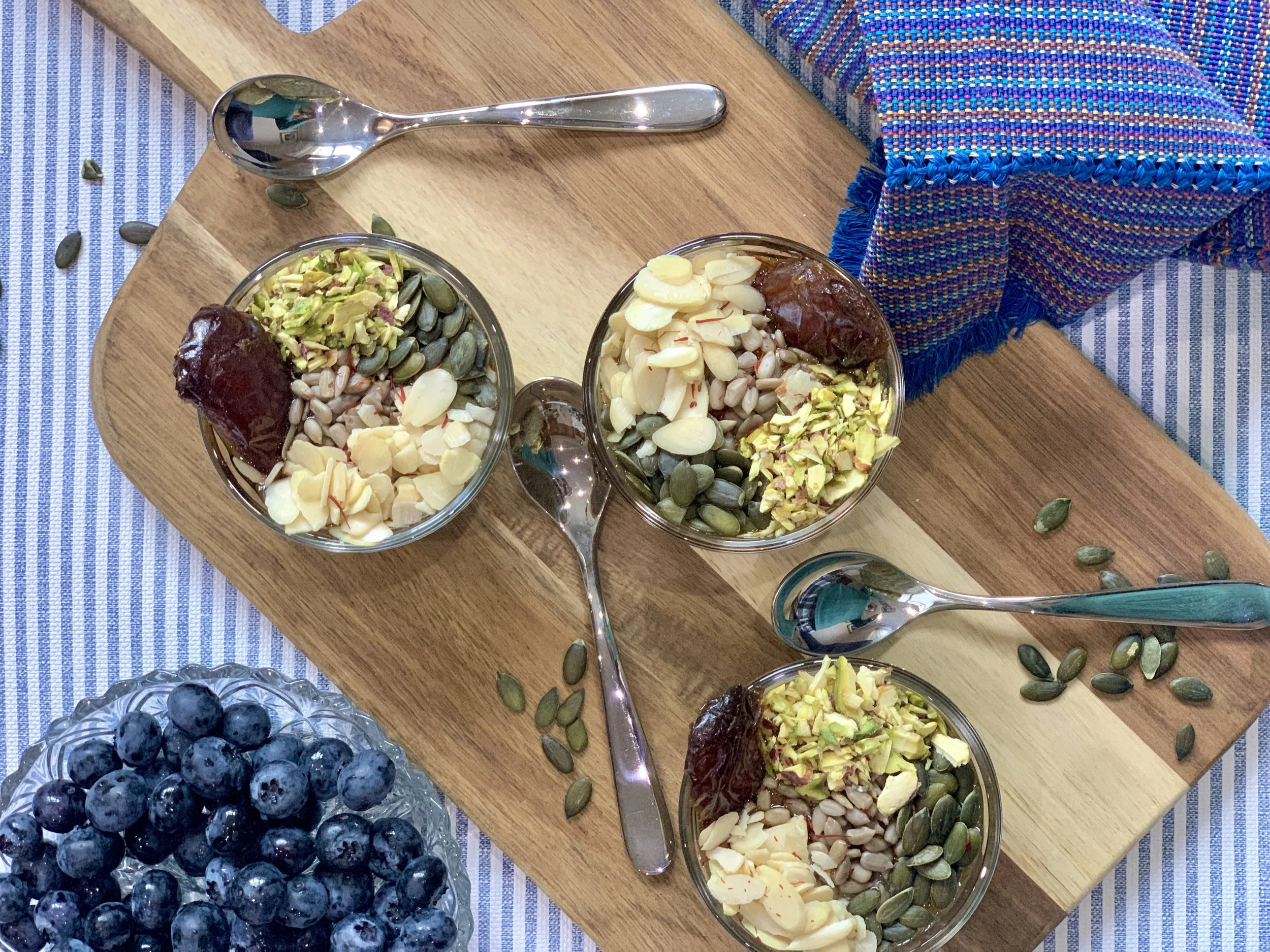
This quick breakfast or dessert could not be easier. In winter our bodies need more fuel (that’s more nourishment as opposed to just in an increase in calories. Winter is where our body burns more fuel and we need the right sources to create a healthy inner environment so we can develop strong immunity. Diversity in our foods is key to restoring a healthy gut microbiome.

Gur, or jaggery is a natural sweetener with naught taken out and used in most Indian households in many sweet dishes and a little nugget would often be taken as a component in an Indian meal. Some of these ‘benefits’ would include support to iron deficiency and immunity, a digestive aid, especially a vata digestion. Jaggery is also the best choice in preparing rasayana’s (rejuventive tonics) – for example in Kharjuradi Mantha – a tonic used for hangovers

We are supposedly 75-80% water as modern medicine says. So how comes if we are health conscious, we pay utmost attention to the types of foods we eat but very little attention to the type of water we consume? Yes, we are what we eat, but we are also what we the water we drink. Just as we say not all calories are equal, the same can be said for water, not all water is equal, and it impacts the body in different ways.

I invite you to celebrate the divine feminine nourishment the moon brings to us all. Traditionally in India, Sharad Purnima is the full moon harvesting festival in the lunar month of Ashwin and considered one of the most auspicious festivals and is dedicated to Goddess Lakshmi.
Fasting is often observed and it is said that when the kheer is exposed to the moonlight it imbibes special healing and health-promoting qualities, making it ‘amrit’ a nectar of vitality. The moon gives us soft soma energy and its a great time to indulge in simple sattvic (pure) foods. The ingredients in the recipe below are all considered rasayana (rejuvenating) in Ayurveda (Whole cows milk is the traditional milk used but here I have chosen almond and I have used jaggery to sweeten.

This is a versatile and adaptable healthy autumn and winter dessert recipe and a vibrant alternative to gajjar halwa (carrots). You can make it entirely vegan or make it with the traditional halwa ingredients. I love this dessert, not because its delicious as it it gluten-free, dairy-free, low in FODMAPs and the beetroots have a host host of benefits all by themselves. Being sweet and grounding in nature, it brings energy to the body and balances vata.
The Kansa Wand is more than a skincare tool — it’s an ancient Ayurvedic ritual for balance and renewal. Handcrafted from copper and tin, this healing metal activates marma points, releases tension, and restores natural radiance by supporting circulation, detoxification, and lymphatic flow. Used with oils like Kumkumadi or rosehip, it helps balance skin pH, calm the mind, and awaken a glow that comes not from products, but from presence. In Ayurveda, beauty begins with awareness — and the Kansa Wand is a reminder to slow down, breathe, and reconnect.