

Easy Ayurvedic Recipes
A key element of Ayurvedic healing and lifestyle are simple, wholesome and balancing foods that are suitable for your dosha type and foods that help maintain a strong digestion and prevent toxins from building.

This vegan, gluten-free Handvo recipe made with samo (barnyard millet), sabudana (sago), and seasonal veggies is a perfect dish for fasting days. Packed with energy, light on digestion, and full of flavor, it balances vata and pitta while supporting agni (digestive fire). Ideal for fasting during occasions like Ekadashi or Sharad Purnima, this dish provides sustained energy and nourishment without compromising on health. Try this wholesome Ayurvedic recipe for a delicious, healthy, and sattvic meal during your fast.

This gluten-free potato, broccoli, and singora flour paratha is not only a healthy twist on a classic but also rich in Ayurvedic benefits. Potatoes offer grounding energy and potassium, while broccoli adds fibre, antioxidants, and immune-boosting vitamins. Singora flour (water chestnut), a naturally gluten-free option, is cooling and helps balance pitta while grounding vata dosha. Ideal for autumn, this nourishing paratha stabilises energy and digestion. Whether for lunch or dinner, pair it with chutney, dahl, or a sabzi for a wholesome, sattvic meal.

Matoke, a delicious plantain curry, holds a special place on our Navratri fasting menu, blending the flavours of Gujarati tradition with African influences from my family’s roots in Kenya and South Africa.
This wholesome, sattvic dish is perfect for fasting, offering light and grounding nourishment while honouring Navratri's purity.
Preparation: 2 min | Cooking: 35 min | Serves: 3
Ingredients include green plantains, tomatoes, crushed peanuts, and spices like cumin and ginger.

From an Ayurvedic standpoint, fermented foods play a crucial role in supporting digestive health and overall wellbeing. They are rich in probiotics, or beneficial living bacteria, which help kindle the digestive fire (agni) and promote the health of the digestive system when consumed appropriately.

Dahls are always warming, veggie (vegan if you don't use ghee), hearty, gut-loving and delicious. I always cook intuitively with spices and I encourage you to do the same. Indian Cooking is designed for experimentation and adaptation to taste. Here I use spice-roasted butternut squash and crispy kale to pimp up my dahl for the winter without the bread.
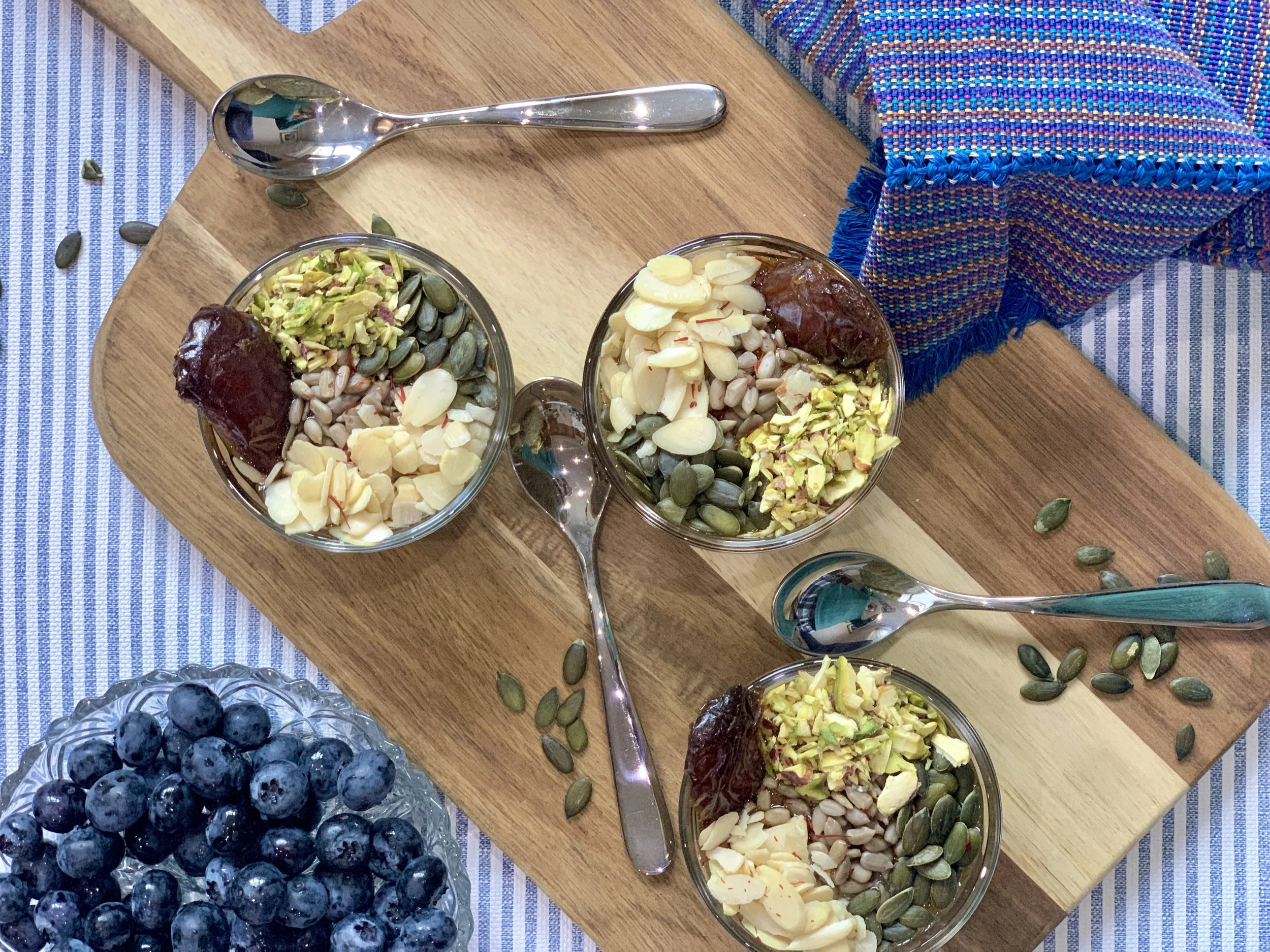
This quick breakfast or dessert could not be easier. In winter our bodies need more fuel (that’s more nourishment as opposed to just in an increase in calories. Winter is where our body burns more fuel and we need the right sources to create a healthy inner environment so we can develop strong immunity. Diversity in our foods is key to restoring a healthy gut microbiome.

I invite you to celebrate the divine feminine nourishment the moon brings to us all. Traditionally in India, Sharad Purnima is the full moon harvesting festival in the lunar month of Ashwin and considered one of the most auspicious festivals and is dedicated to Goddess Lakshmi.
Fasting is often observed and it is said that when the kheer is exposed to the moonlight it imbibes special healing and health-promoting qualities, making it ‘amrit’ a nectar of vitality. The moon gives us soft soma energy and its a great time to indulge in simple sattvic (pure) foods. The ingredients in the recipe below are all considered rasayana (rejuvenating) in Ayurveda (Whole cows milk is the traditional milk used but here I have chosen almond and I have used jaggery to sweeten.

This is a versatile and adaptable healthy autumn and winter dessert recipe and a vibrant alternative to gajjar halwa (carrots). You can make it entirely vegan or make it with the traditional halwa ingredients. I love this dessert, not because its delicious as it it gluten-free, dairy-free, low in FODMAPs and the beetroots have a host host of benefits all by themselves. Being sweet and grounding in nature, it brings energy to the body and balances vata.

There is tea for every occasion, emotion and time of day and offers magical healing passed down the generations. There is nothing more comforting than the ritual of #chai especially over the winter. A far cry from a teabag flirting with hot water and a dash of milk.
Masala chai is essentially a spiced, sweetened black tea mixed with milk and a small cup goes a long way for the soul and comes with a myriad or health benefits to match.


The traditional Indian Haldi doodh, translated as turmeric milk and now fashionably known as golden milk or turmeric latte is a little Ayurvedic number I have grown up on. It is an Ayurvedic drink that contains anti-inflammatory, immune-boosting, cleansing and healing properties.

In the quest to reduce sugar and balance Kapha over the winter season - these quick spicy and savoury pancakes go down a treat and apart from the little oil used to toast them I'd say they’re pretty healthy and a great way to get some veggies into your diet. You could do them plain. I use chickpea and rice flour with some raising agents.
(gluten-free & vegan recipe!)
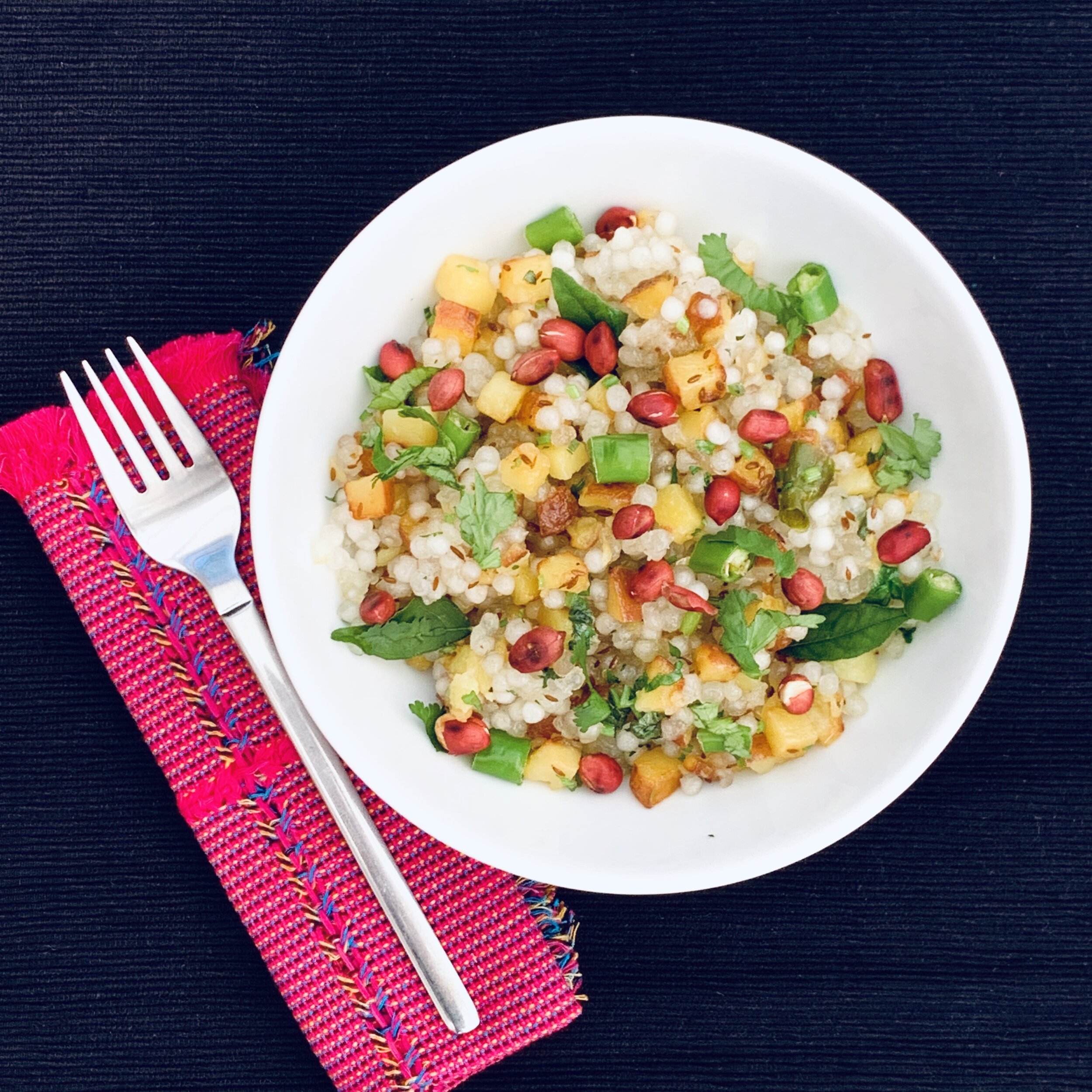
Another quick one pot dish that is ‘sattvic’ by nature and a traditional Indian dish prepared on auspicious days and often eaten as the meal if fasting is being observed. This delicious gluten-free, vegan, savoury kitchari alternative made with tapioca or sago pearls is super easy to prepare.
Spring is kapha season so adding a little extra kick and spice it up with some chillies to burn off those accumulated winer toxins. For me this dish is a perfect option for breakfast, lunch or dinner I recommend eating it as soon as its freshly off the heat.

This is another Sunday favourite in the gujarati household with the new mini loaf mould no extra oil needed and no messy slicing issues. What’s great about this is, it is gluten-free, and vegan friendly. Just need to get some sweet masala chai on and enjoy!

Sundays are all about khichi/papdi no lot in a gujarati household. These are really yummy spiced rice dumplings.
Somehow this dish brings the ladies together and it’s the perfect Sunday afternoon tea dish. When you’ve heard someone’s making khichi ... ears and eyes are wide open and mouths salivating.

Ayurveda favours foods that are at leat lightly cooked so that they are easier to digest. Raw cabbage can increase data (the air quality in the colon) and hence can contribute to gas and bloating. This quick cooked spiced cabbage salad option is perfect to prevent this. The spices used help balance both the flavour an qualities so that you do not experience the adverse effects on the digestion.

I absolutely love these treats, home-made with popped amaranth and mixed nuts and seed. My secret ingredient is the 100% pure organic cocao chunks and not to mention the tantalising tang from the sour cherries. Loads of coconut and held together with almond butter and date syrup. What’s not to love?
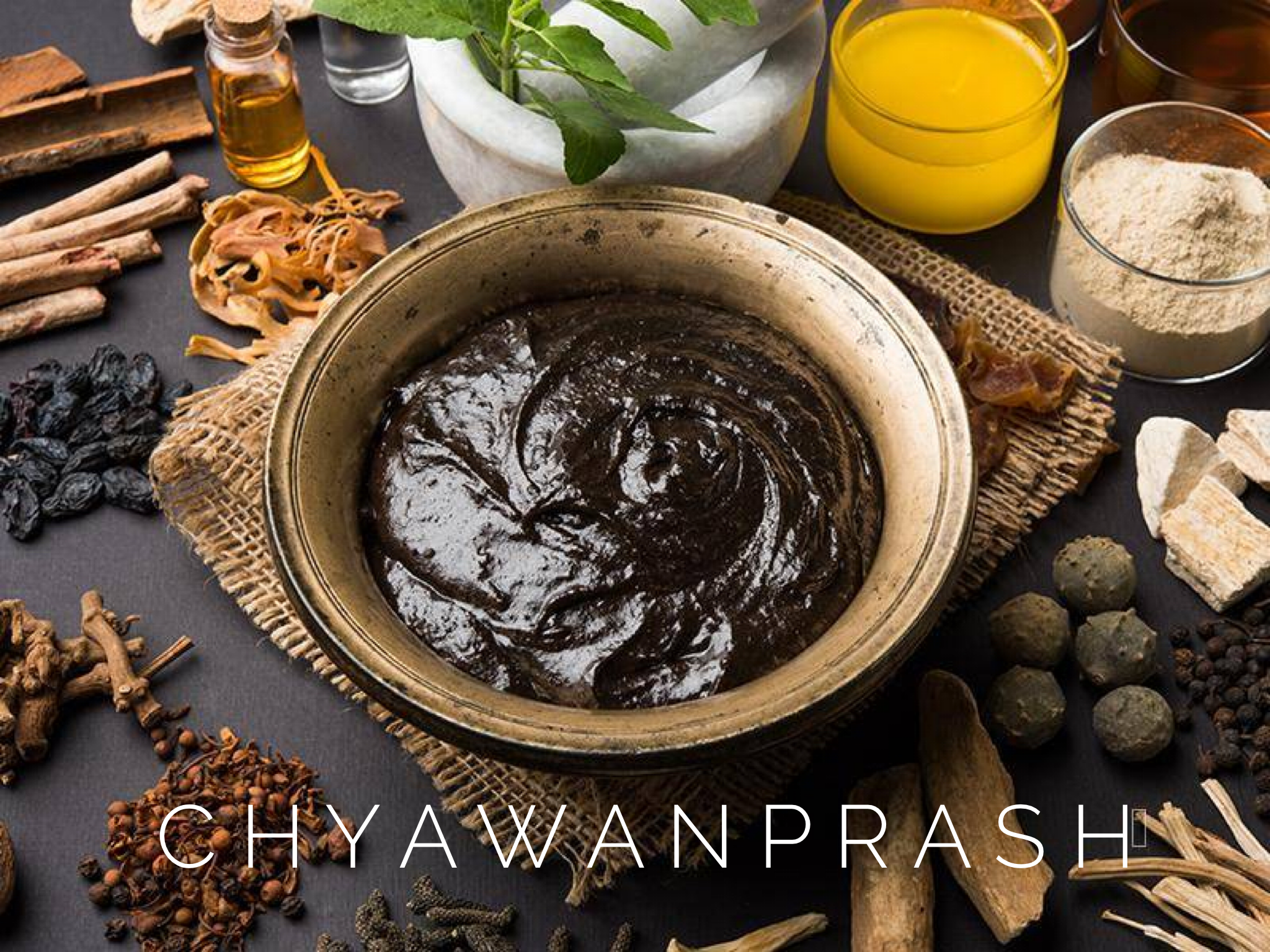
Chyawanprash is herbal jam packed with nothing but rejuvenating goodness to get you not only through the winter but your entire life since its designed to bring longevity and youthfulness. This immune boosting elixir is considered to be a ‘lick-able’ medicine… Yes that’s right! Take that teaspoon out of the nutella jar and dip into this delicious dark chocolate colour jam that’s packed with over 40 different natural and nutritive ingredients

This is the epitome of a traditional yet simple south Indian breakfast and I absolutely love it with my twist of the added veggies to make it nice and savoury. Sure it’s traditionally eaten for breakfast but actually I often have if as a light meal for anytime of day. Of course, you can also change up the grain to quinoa, amaranth or millet you would need to have this pre-cooked.

A very under utilised grain that really should get some limelight since it has so many health benefits when eaten as part of a balanced diet. It is one of the richest sources of protein found in a grain (lysine - an essential amino acid) as well as being gluten-free.

This dish has always been one of my quick go to snack dishes and one that you can rustle up on a lazy day when you’re running low of vegetables. It’s light is full of flavour and is another one pot wonder dish that can be enjoyed for breakfast, lunch or dinner.
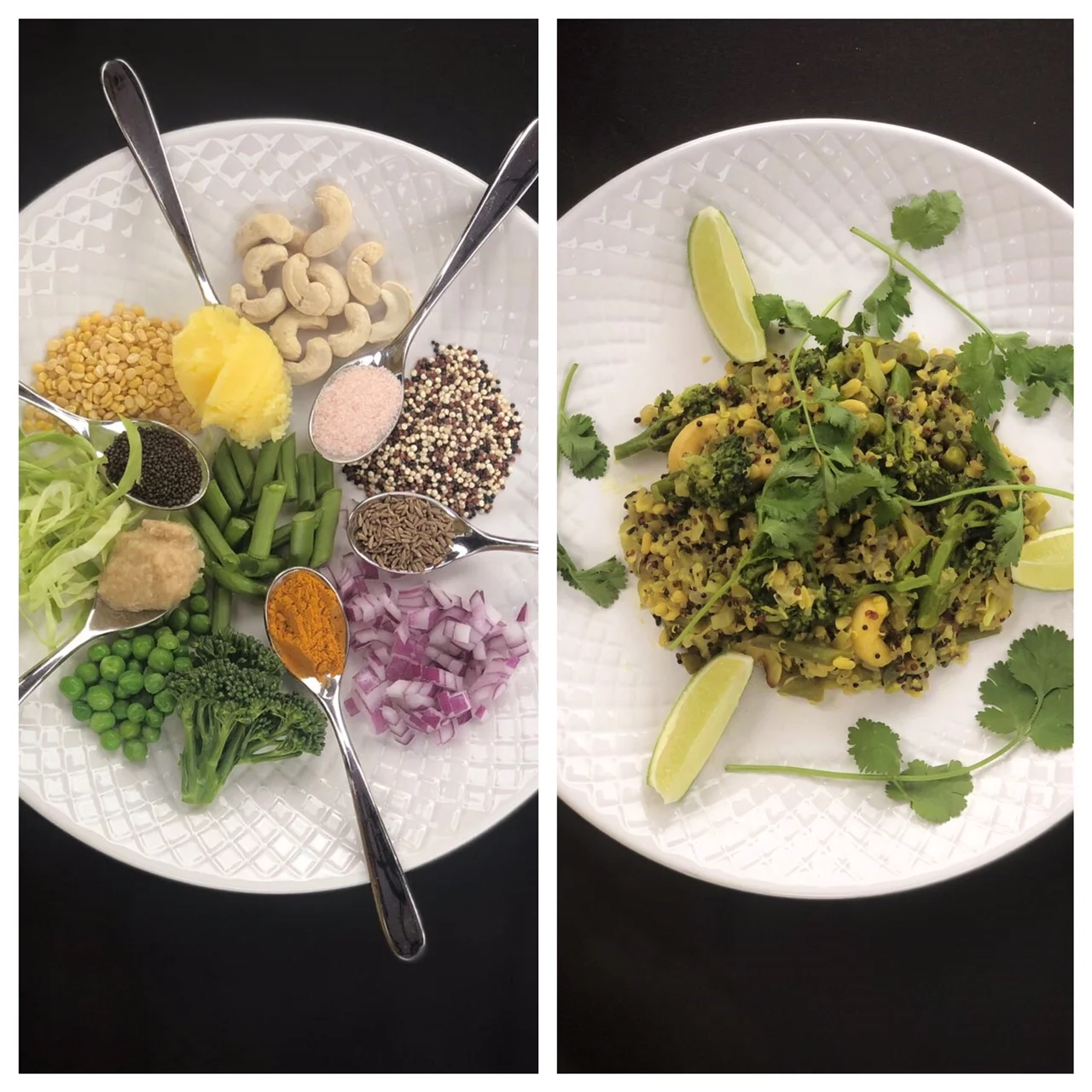
A perfect all year round one pot dish winner that is nourishing yet cleansing for the digestive system. It is a nice alternative to the traditional kitchari recipe. You can vary the vegetables according to the season.
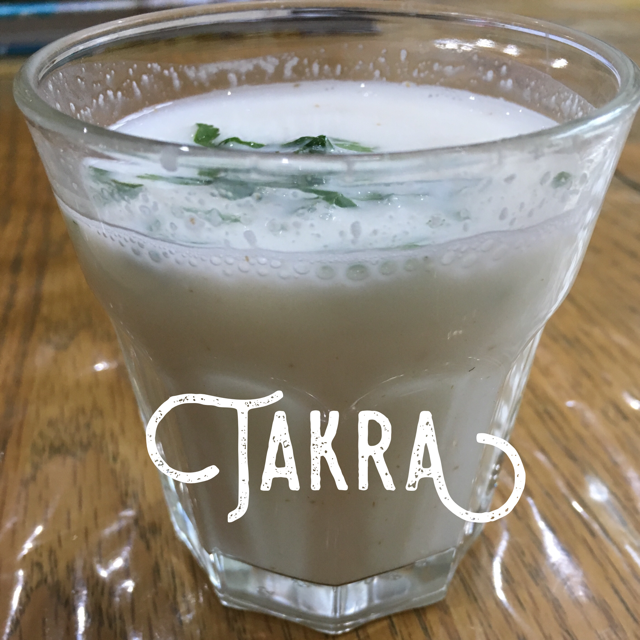
Over the counter probiotics and digestive enzymes are certainly on the rise but I’m not convinced that these are a holistic, balanced or a long term solution. Ayurvedic buttermilk known as takra is a useful refreshing yoghurt-based drink designed to restore a healthy gut microbiome. It was considered to be the divine healer for humans according to (Bhavaprakasha. Ch 6.V.7)

One of the most common desserts is a very simple preparation of milk and rice, better known as Indian rice pudding. It is a wonderful, nurturing dessert for the winter months but since we are still in winter mode at the moment I am still, at the same time being wholesome and vata-pacifying.
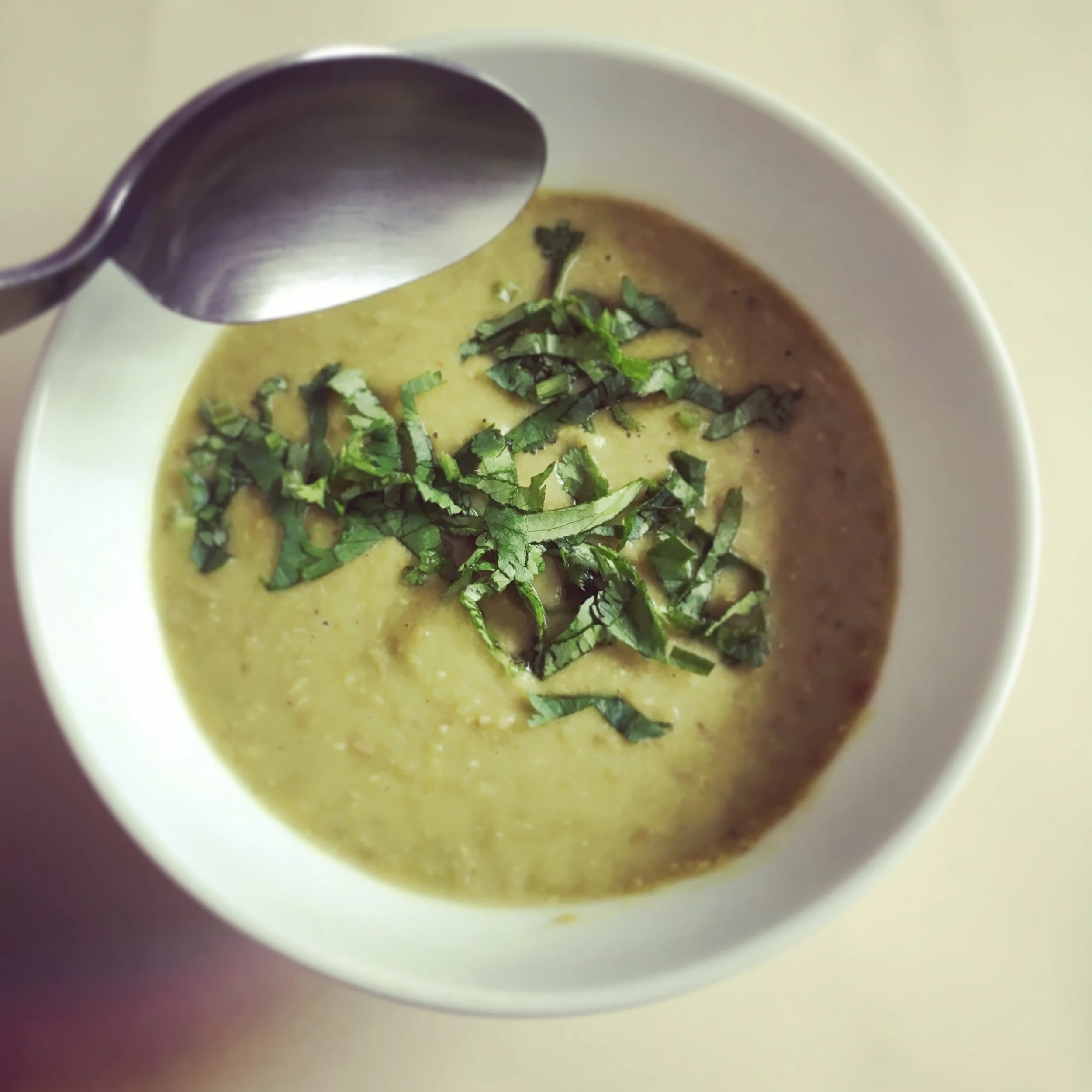
We always turn to soup when we are sick and this is because it provides easy to digest nutrients for the body to heal and replenish. Though there are thousands of delicious soup recipes and all of them hearty and nourishing, the ultimate ‘soup-er’ food in my book is a cleansing mung bean soup.

Quinoa is a versatile and complete amino-rich (protein) grain, considered as the ‘gold’ of the Incas. It has a fluffy, creamy and a slightly crunchy texture with a nutty flavour once cooked. Aside from a great source of protein, quinoa is rich in magnesium, riboflavin and acts as an anti-oxidant and balancing to all doshas.

With so much questioning around the subject of milk, whether it’s good for you, if the alternatives are more digestible, are most people lactose intolerant etc etc. There is no doubt there is confusion. Here is the Ayurvedic perspective. Cows milk is considered to be the best and a complete food, providing unique nutrition with ‘saatvic’ qualities when it is digested properly, nourishing the body tissues, balancing the doshas and promoting emotional balance and ojas (a refined substance providing strength, immunity and contentment). With such nourishing properties why would we want to exclude milk from our diet?


Sprouting is a great way to optimise the nutritional value of grains, beans and legumes as they contain the energy, enzymes and vitamins needed to transform seeds into strong healthy plants. By the simple method of sprouting, mung beans, adzuki beans, chick peas, fenugreek, red clover, radish, sunflower seeds, rye berries and alfalfa and many grains can be eaten as a tasty addition to a super food salad, stir fry’s, in green juices and can also be lightly sautéed with ghee and spices as a snack.
By clarifying butter, all milk solids are removed. It can be used in cooking in place of butter and oil in cooking as it does not easily burn. Ghee is an extremely versatile as it is the most heat stable and acts as a digestive by aiding absorption and assimilation. It can be used as a base for body massage and is a common base for herbal ointments. The medicinal properties are known to improve with age and has rejuvenating properties.