

Herbs & Spices

Ayurveda has long cautioned that heating honey turns this natural nectar toxic — a truth now echoed by modern science. When honey is warmed, it loses its Rasāyana (rejuvenating) qualities and produces harmful compounds like HMF. Discover why raw honey heals while heated honey harms, and how to use this golden medicine safely for health, digestion, and longevity.

For centuries, these resilient grains have thrived across cultures, bearing diverse names like bajra, ragi, kangni, korra, kutki, and kodra. In Ayurveda, the ancient Indian system of medicine, millets are revered for their harmonising energies and therapeutic qualities, offering a holistic alternative to our overall diet. But the truth is even though they are a gluten-free grain and a good source of dietary fibre, vitamins and minerals, they should be consumed in moderation and as part of a balanced diet and excessive consumption can create dosha imbalances.
In Ayurveda, the traditional Indian system of medicine, millets are celebrated for their balancing energies and healing properties. Not all millets are created equal in the eyes of Ayurveda. From pacifying Vata with the grounding qualities of kodo millet to cooling Pitta with the soothing essence of little millet, each grain offers a unique synergy of taste, texture, and nourishment so yet again it is a case of ‘one size does not fit all’.

If you are looking to curb those sugar cravings then shardunika or better known as gurmar leaves or botanically known as gymnema slyvestre. In Ayurveda it is labelled as ‘madhunashini’ - meaning that it is a destroyer of the ‘sweet taste’ and this herb does not waste time getting to work because the moment it touches your tongue you will become insensitive to the sweet taste.

Sometimes it’s about the simple spices in life and ginger certainly hits the spot for this time of year. Ginger’s versatility spans across cultures throughout the world and certainly packs in a punch with its health benefits. Sattvic and tridoshic and perfect for the chilly damp atmosphere of winter as it brings sweetness and warmth - what’s not to love?

Gur, or jaggery is a natural sweetener with naught taken out and used in most Indian households in many sweet dishes and a little nugget would often be taken as a component in an Indian meal. Some of these ‘benefits’ would include support to iron deficiency and immunity, a digestive aid, especially a vata digestion. Jaggery is also the best choice in preparing rasayana’s (rejuventive tonics) – for example in Kharjuradi Mantha – a tonic used for hangovers

Dhanyaka Hima (cooling coriander seed drink)
Coriander seed drink is a great over the summertime as it can deeply quench our thirst and support increased pitta conditions and burning sensations. It can reduce excess sweating, hot flashes, abdominal colic due to increased acidity.
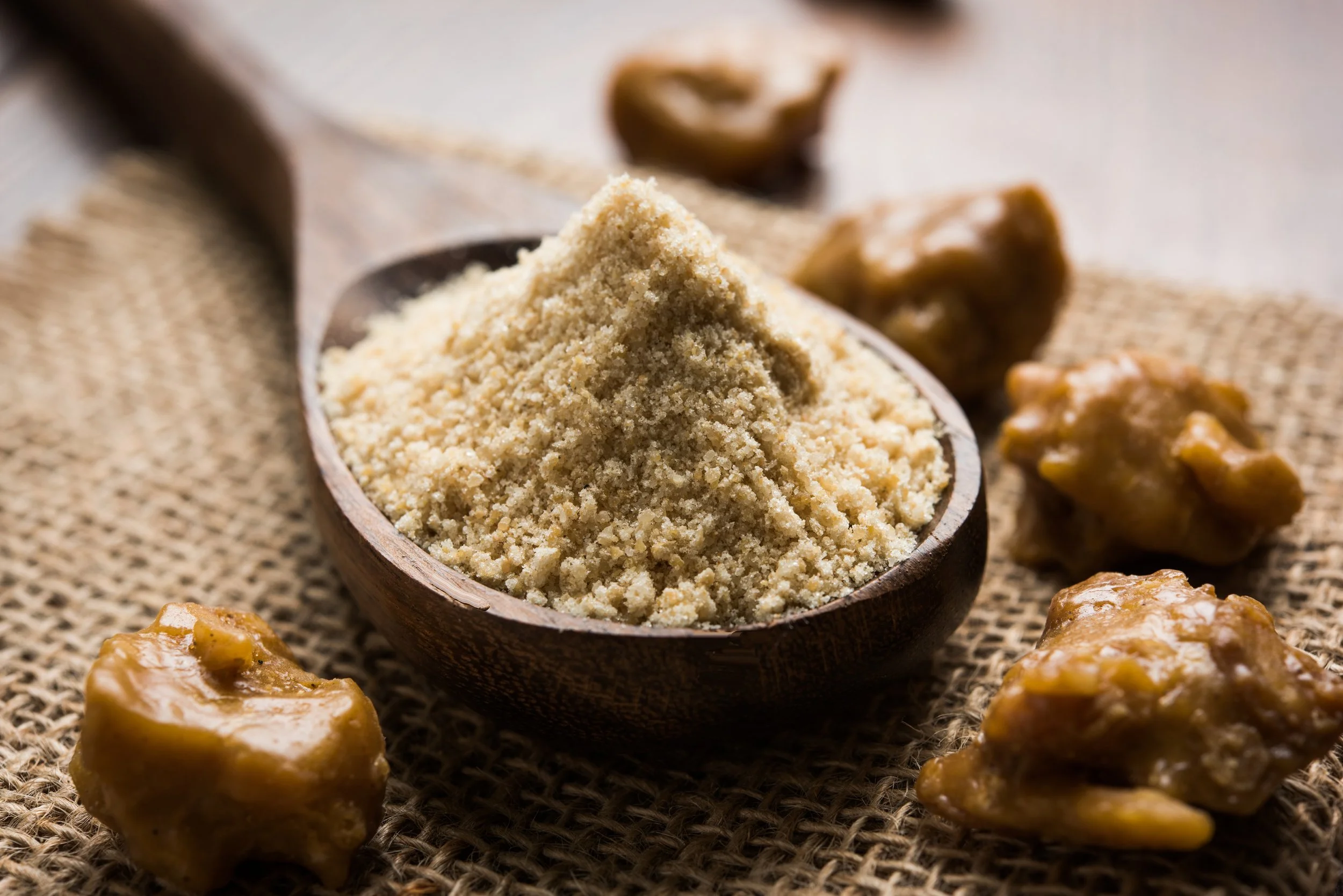
If you have come across asafoetida, you will know how potent it actually is and there is no wonder why it is referred to as the ‘devil’s dung) A specialist compound is found in every Indian household spice tin. It has an aromatic, sulphuric and astringent quality. It is only used in small quantities and would be used with or in place of onion and garlic. It is a powerful antibacterial, antimicrobial, anti-inflammatory and antioxidant in its properties.
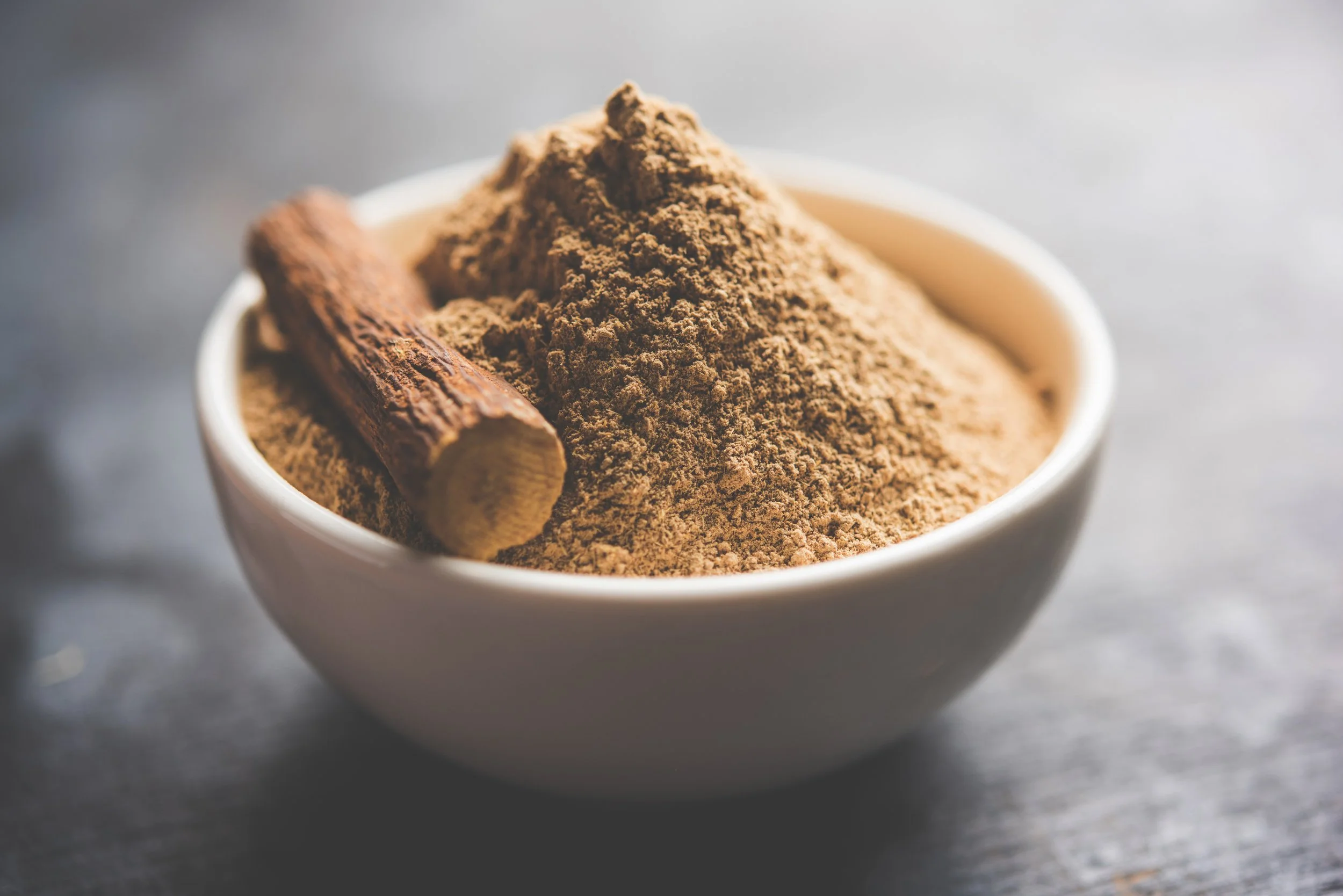
Traditionally, liquorice was used as a medicine rather than a spice and the root was the main part used from this purple and white flowering perennial. Liquorice is sweet in taste, heavy and sticky in quality, cool in potency and sweet post digestion and balancing for vata and pitta doshas.
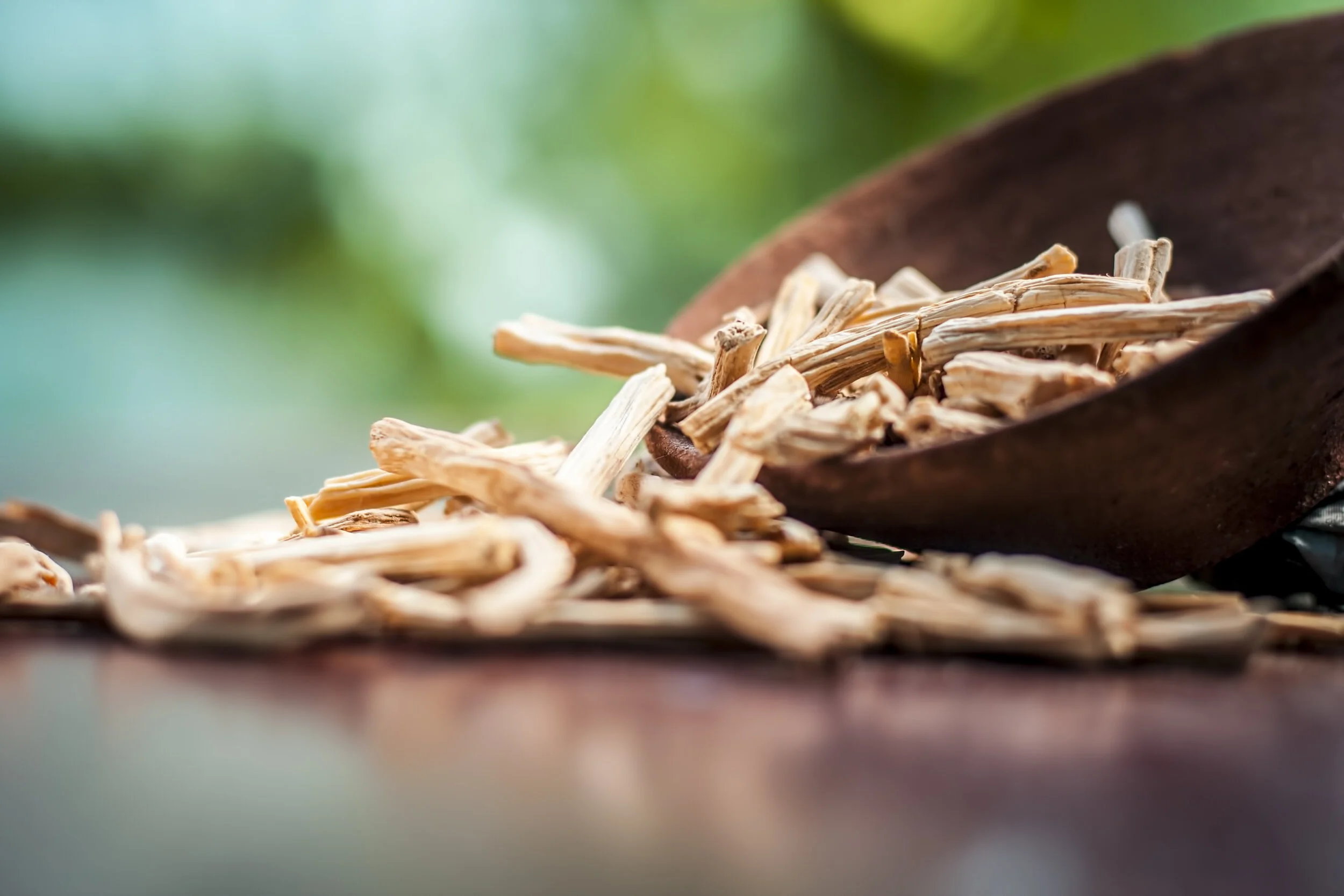
If you want to feel like the empress that you are as you go through the changes in your body during menopause and peri-menopause this is for sure one of the go-to herbs as it can help with so many menopausal symptoms. As an adaptogen, shatavari helps the body to cope with internal stress. She is considered the queen of herbs due to her natural adaptogenic and sattvic (pure essence) nature and powerful tonic for the reproductive tissues.

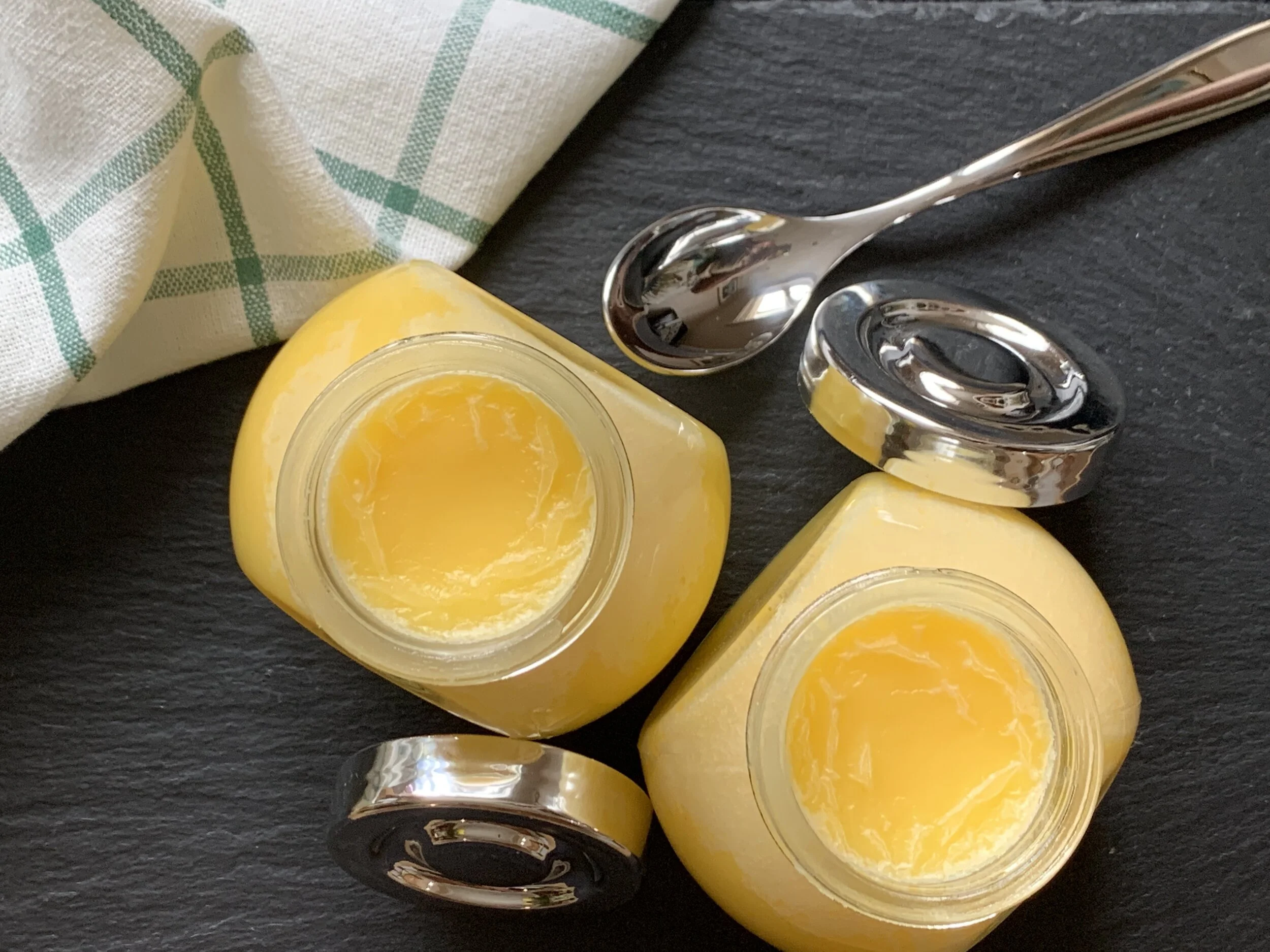
Ghee is revered as an elixir for health and longevity in Ayurveda and is one of my favourite staples and referred to as gritam in sanskrit - used both internally and externally in ayurvedic cleansing and rejuvenation therapies. By clarifying butter, most of the milk proteins are removed, leaving a virtually lactose-free cooking fat which is free from hydrogenated fats and trans-fatty acids and protective against free radical damage.
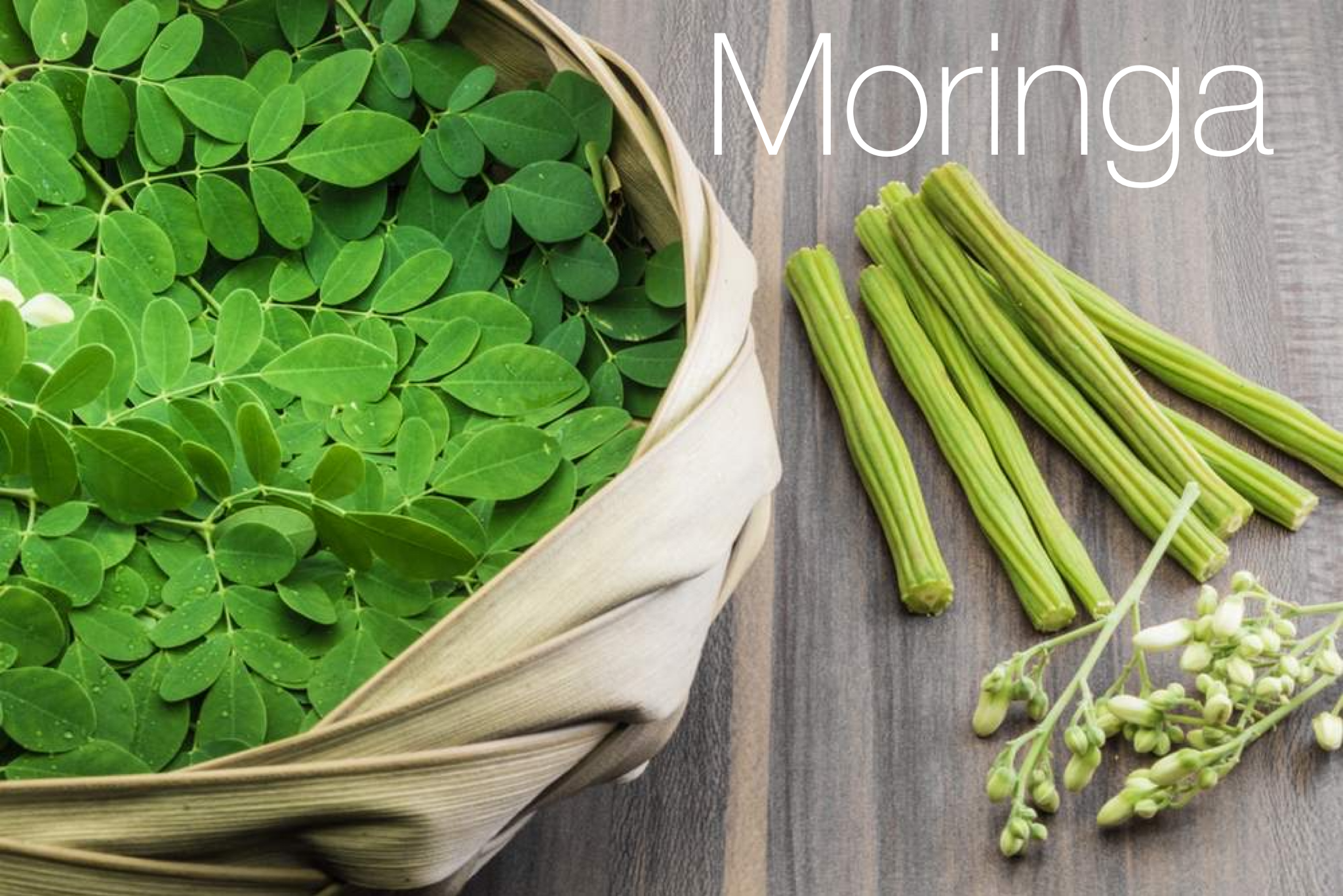
Known as the ‘drumstick tree’ or ‘shigru’ which literally means ‘an arrow’ (botanial name: Moringa oleifera) and has been used in Ayurveda for centuries. It is both nourishing and detoxifying making it one of the most versatile plants of all time. Moringa has gained popularity over the recent years as ‘superfood’, but it has multiple health benefits including its rich anti-inflammatory and anti-oxidant properties, helping to prevent the body from infections and free radical damage.
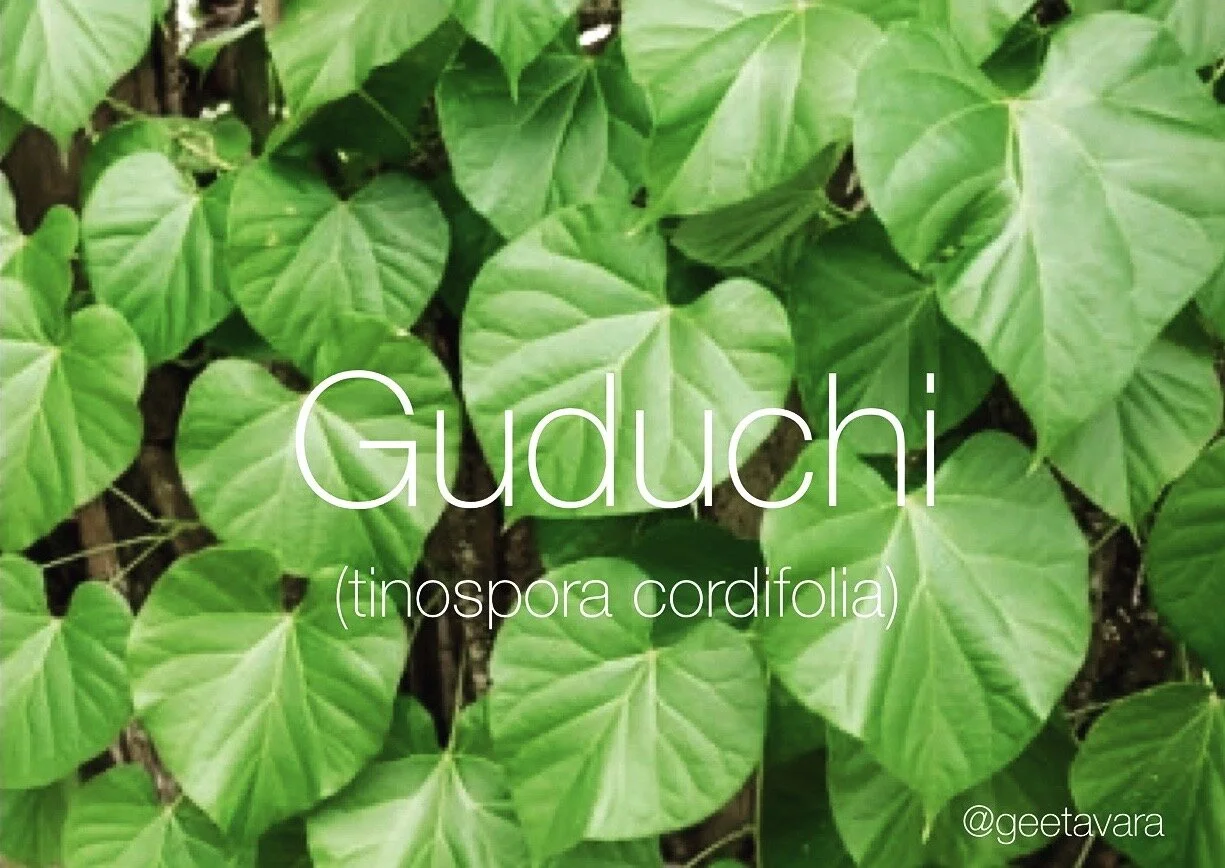
This wonderful herb is renowned for its positive immuno-modulating effects, support for autoimmune conditions and rejuvenating properties. Guduchi is packed full of anti-oxidants. Hence as part of a holistic approach, this plant has the power to boost immunity against many viral infections.
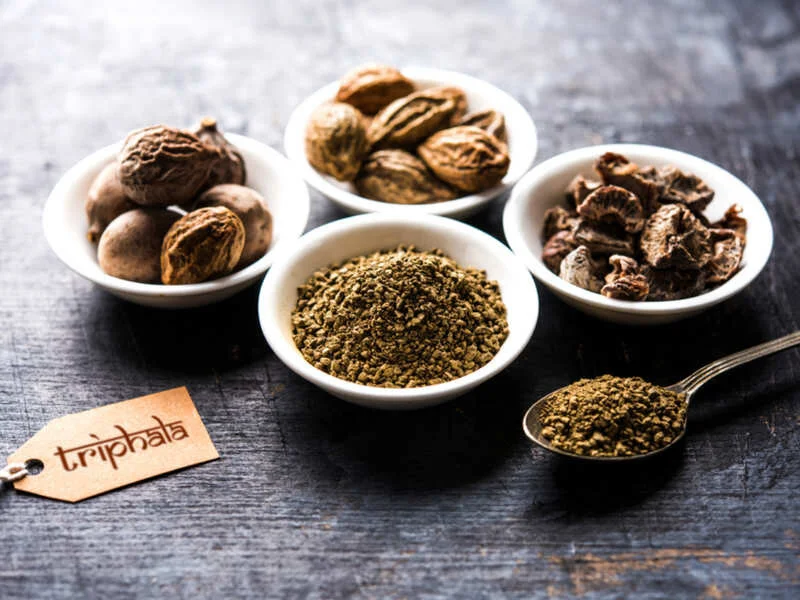
By far Triphala is one of the most popular herbal compounds going in the Ayurvedic arena. Triphala literally translates as ‘three fruits’ and is the herbal compound made of three essential cleansing but rejuvenating properties so a perfect broad spectrum combination that enhances the homeostasis if the body. For me it’s the kind of herb that just gently puts the spring back in your step. It’s just like the glue that brings everything together in a harmonious way and the perfect choice to support your ‘spring cleanse’.
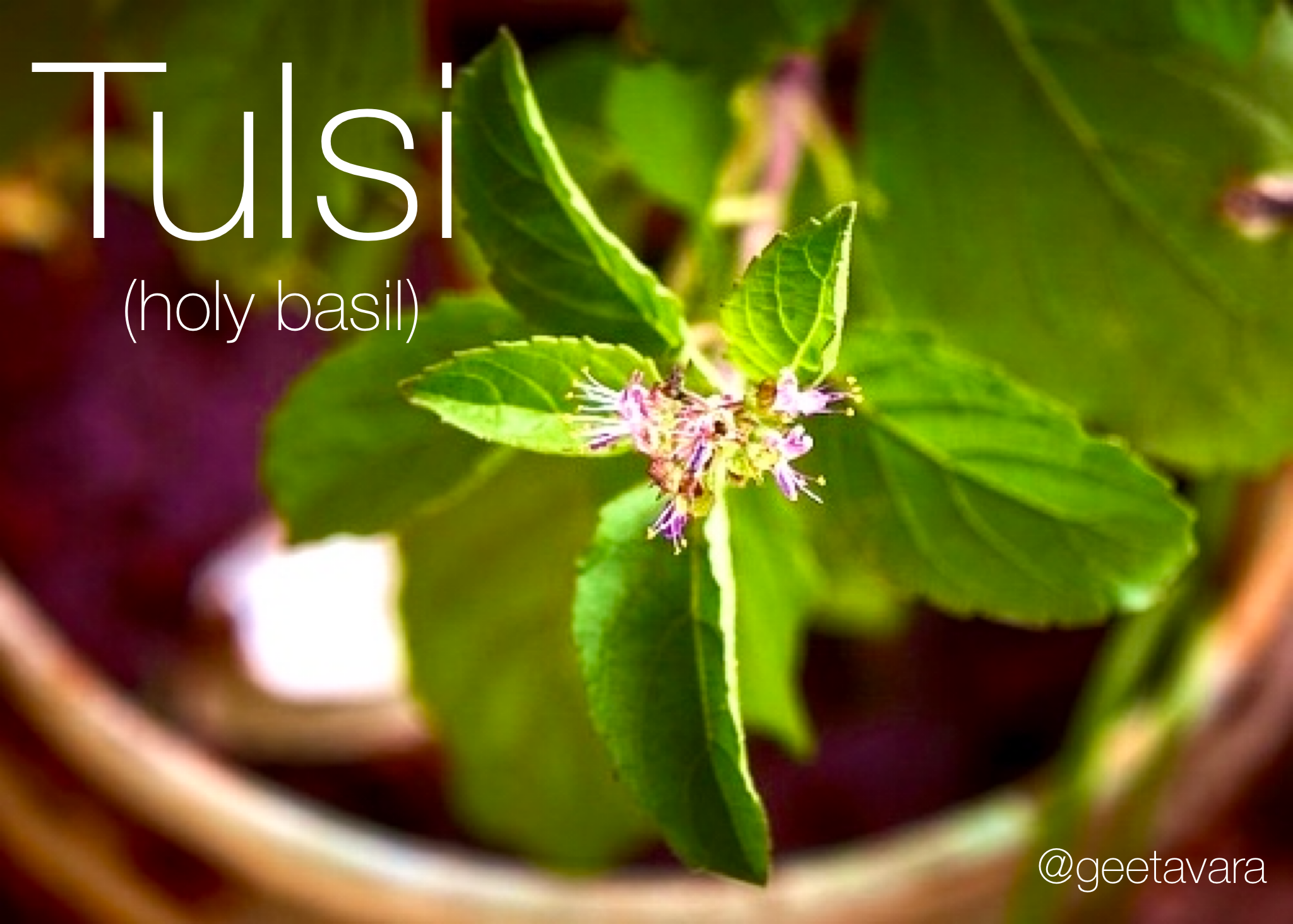
There are around thirty different varieties of basil and although holy basil is different from the regular basil we are used to eating with our Italian dishes, it can contain some similar properties. It is worth noting however that holy basil also contains great nutritional value, including vitamin C, vitamin A, zinc, iron and calcium.
Called the ‘queen of herbs’, tulsi is considered one of the best herbs for treating colds, coughs and flu, as well as for reducing inflammation and headaches.
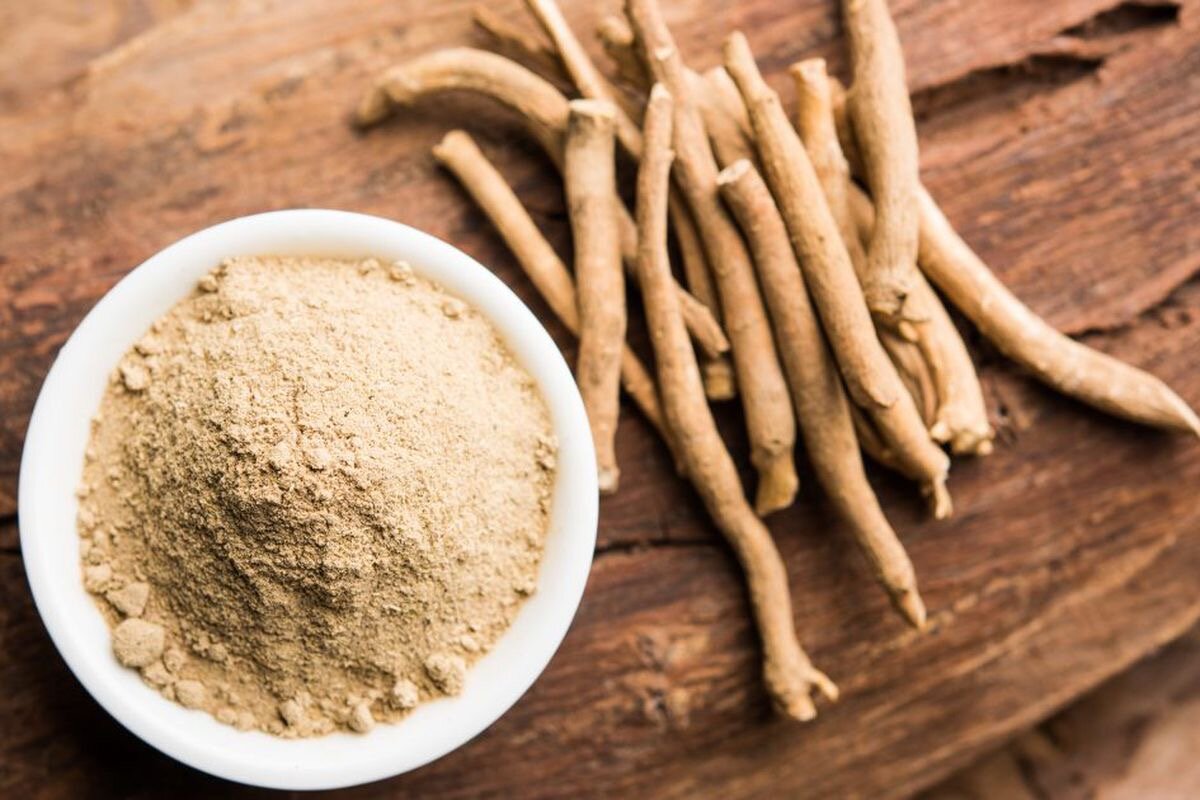
This incredible adaptogenic root herb is great herbs to support many vata conditions, such as debility in old age, weakness in body and mind, joint inflammation, hormone imbalances, stress, rheumatism, fatigue, poor memory, anxiety, neurological conditions, low immunity and low endurance.
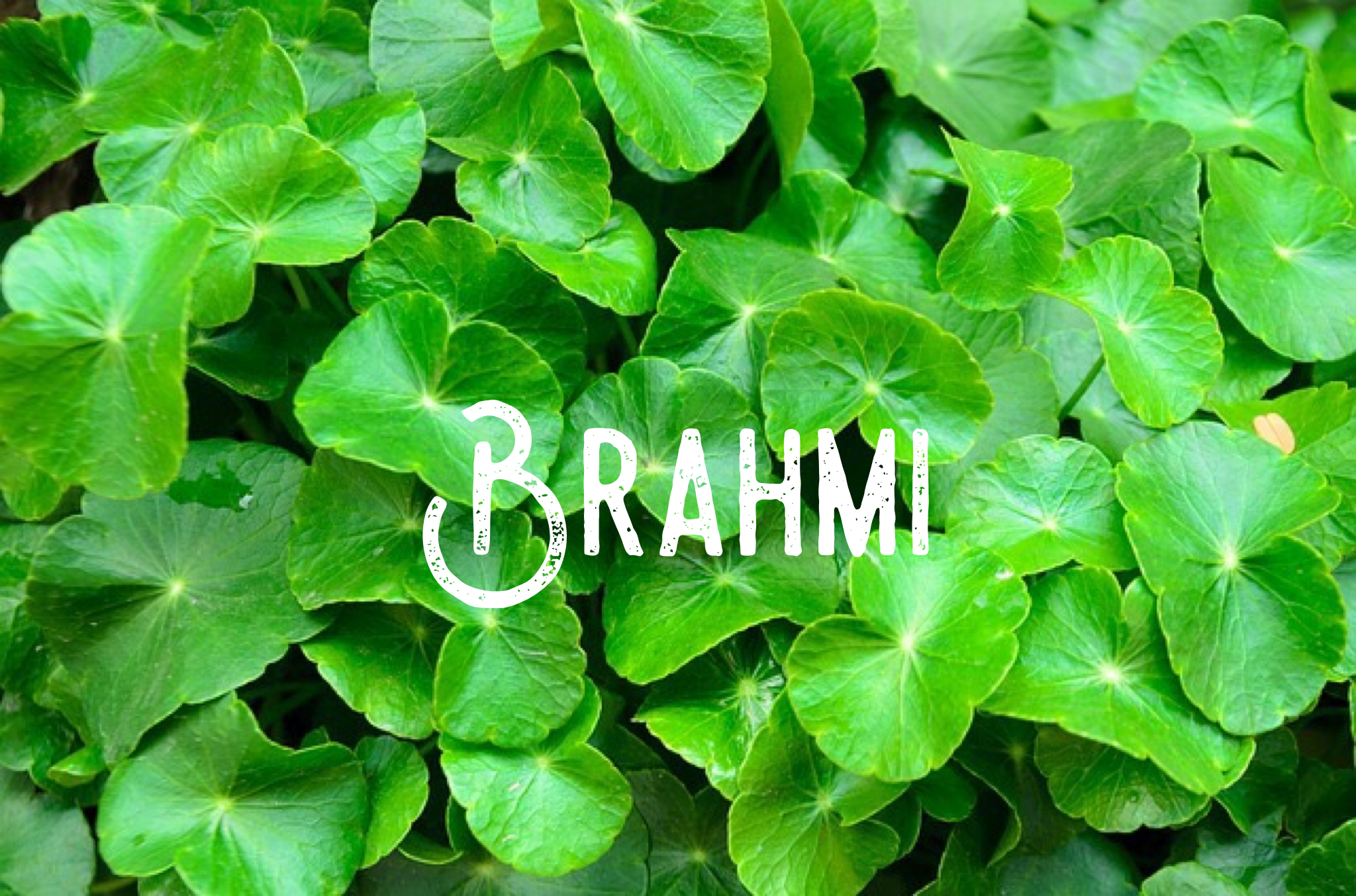
For me Brahmi is a perfect option for the challenging urban environment and My go to sattvic rejuvenator for the mind (medhya rasayana) since it opens the gateway to our consciousness and something I've been needing as we transition into the summer.
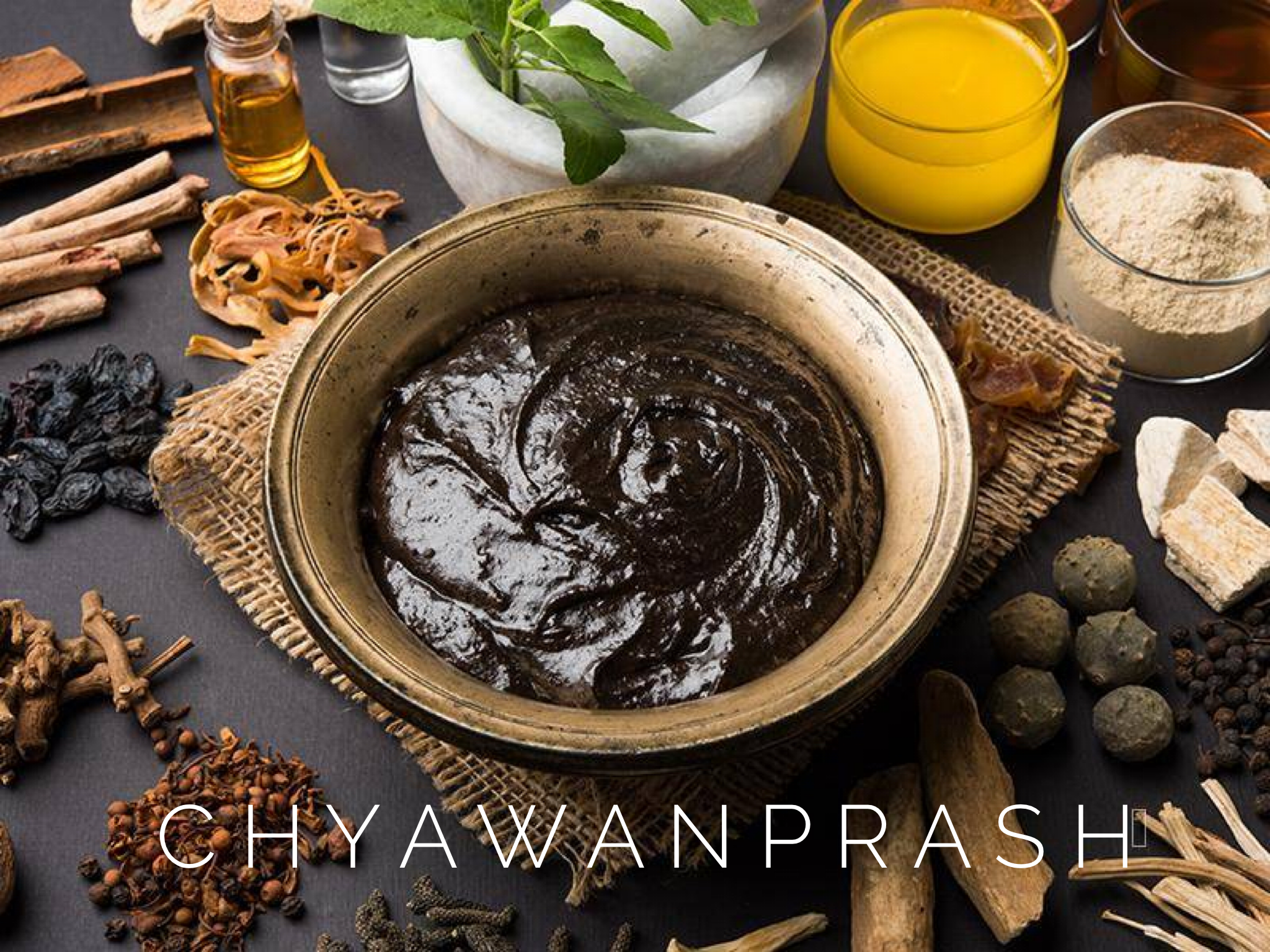
Chyawanprash is herbal jam packed with nothing but rejuvenating goodness to get you not only through the winter but your entire life since its designed to bring longevity and youthfulness. This immune boosting elixir is considered to be a ‘lick-able’ medicine… Yes that’s right! Take that teaspoon out of the nutella jar and dip into this delicious dark chocolate colour jam that’s packed with over 40 different natural and nutritive ingredients

Neem is a fast-growing tree that can reach up to heights of 50 feet, growing in many parts of India and the subcontinent, with the ability to withstand very high temperatures and low rainfall. In Ayurveda it is known as sarva roga nivarini, translating as ‘the curer of all ailments’, indicating its vast healing benefits. The most commonly used part of the neem tree are its dried leaves which are very bitter in nature.

With so much questioning around the subject of milk, whether it’s good for you, if the alternatives are more digestible, are most people lactose intolerant etc etc. There is no doubt there is confusion. Here is the Ayurvedic perspective. Cows milk is considered to be the best and a complete food, providing unique nutrition with ‘saatvic’ qualities when it is digested properly, nourishing the body tissues, balancing the doshas and promoting emotional balance and ojas (a refined substance providing strength, immunity and contentment). With such nourishing properties why would we want to exclude milk from our diet?

Gastritis, otherwise known as urdhvaga amlapitta in ayurveda is an inflammatory condition of the mucous membrane and glands of the stomach. Pitta types are more prone to this conditions and it is a vitiation of the pitta dosha where stomach acids such as Hydrochloric acid and other digestive enzymes secreted by the stomach become inflamed and results in the increase of these liquid secretions leading to indigestion and symptoms such as, loss of appetite, nausea, headaches, dizziness, vomiting, abdominal pain, heartburn coated tongue, foul breath, increased salivation, sour belching, irritable bowels.

So we are well into the new year and so many of us made a resolution to start a ‘detox’, lose the holiday weight, stop drinking and get back into the gym. How many of us actually last past the first few weeks or even the first few days? So many people fail to complete a detoxifcation cleanse in January as it does not fit in with their lifestyle, they are not mentally prepared and lets face it, there’s still plenty of indulgences lurking in the cupboards. But do not fear all is not doom and gloom, changing diets drastically during the winter months is not conducive to our overall health and according to Ayurveda the ideal time to go through a detoxification programme is in Spring time, so plenty of time to plan and prepare.

Today our diet consists of excess salt intake usually hidden in processed and pre-prepared foods. This excess of usually ‘bad’ salts can lead to health conditions including high blood pressure, water retention, dehydration, premature aging, hair loss, and hamper the taste buds.

Punica granatum, or commonly known as pomegranates are not only a delicious juicy fruit, they have numerous health benefits too. Right from its rind and leaves down to its flowers and kernals. Each part of this fruit has a positive effect on our health. Traditionally in the ancient asian culture, they were a sign of fertility, abundance and good luck.
This ancient traditional technique of Ayurveda know as ‘gandusha’ has been recently commonly brought to light as Oil Pulling. A practice which has been a health ritual in India for over 5000 years.